
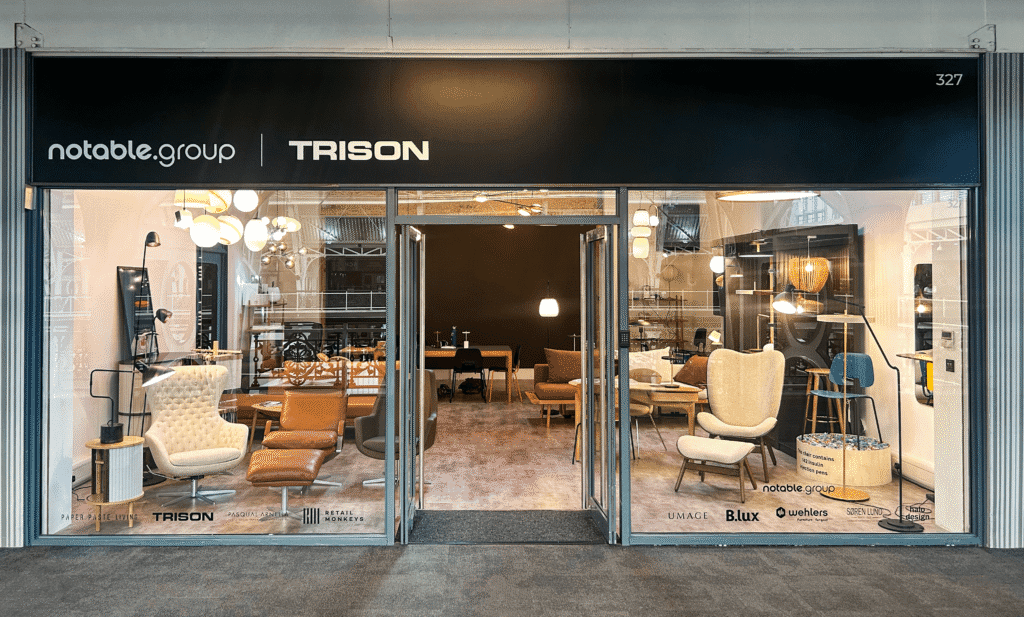
In 2025, designers, architects, and developers are under rising pressure to deliver interiors that are not only beautiful but sustainable. Choosing the right furniture and lighting brands can make or break a project’s environmental credentials.
In this post, we explain how to evaluate and select sustainable brands, ensuring your specifications are responsible, long-lasting, and still of high quality.
Why Sustainability Matters in Interior Design
-
Regulation & certification: Many building clients now require certifications (BREEAM, WELL, LEED) that demand responsible sourcing and lifecycle thinking.
-
Client expectation: Eco-conscious end-users expect interiors that reflect ethical values, from materials to energy usage.
-
Durability = sustainability: A well-designed, long-lasting product reduces waste, repair, and replacement costs.
-
Brand reputation & resale value: Using premium sustainable brands increases property value and trust in your portfolio.
Key Criteria to Judge Sustainable Brands
| Criterion | What to Look For | Why It Matters |
|---|---|---|
| Materials & sourcing transparency | FSC-certified wood, recycled metals/plastics, cradle-to-cradle labelling | Avoids hidden environmental costs |
| Manufacturing & supply chain ethics | Fair labour, local production, reduced transport emissions | Reduces carbon footprint & social risk |
| Energy efficiency | LED lighting, low-voltage systems, smart controls | Cuts operational energy use |
| Longevity & repairability | Replaceable parts, modular design, spare part availability | Prevents early disposal |
| Certifications & third-party assurance | ISO 14001, Cradle to Cradle, EU Ecolabel | Verifiable credentials build trust |
Applying These Criteria to Lighting
-
Check lumen-per-watt efficiency (high ratio = less energy)
-
Look for dimmable/smart controls to reduce use when full output is not needed
-
Evaluate glare, quality of light, CRI (colour rendering index) — sustainable lighting is not just efficient but also comfortable
-
Assess material finishes — metal parts, shade materials, diffusers should be durable and recyclable
Notable Group’s Role in Sustainable Specification
At Notable, every brand in our curated portfolio is vetted for design integrity and environmental considerations.
We partner with Scandinavian and European brands known for sustainable practices (e.g. Umage, B.lux).
As your distributor, we provide:
-
Detailed technical data & transparency (material breakdowns, environmental statements)
-
Customisation & modular options to reduce waste
-
UK warehouse & delivery (reducing import and transport emissions) Notable Group
-
Advice on specification and lifecycle cost
Practical Steps for Designers / Specifiers
-
Request full material / environmental dossiers before approving suppliers
-
Ask for performance guarantees and spare parts from brands
-
Use life-cycle cost modelling (not just upfront cost)
-
Incorporate maintenance & disposal planning in your spec docs
-
Educate clients with side-by-side comparisons (eco vs conventional)
FAQs
What is a sustainable lighting brand?
A lighting brand that prioritises responsible material sourcing, low energy use, repairability, and transparent supply chains.
Why is sustainability more expensive sometimes?
Some sustainable practices (e.g., fair labour, high-quality recycled materials) raise costs initially, but they’re often offset by reduced energy, longer lifespan, and better reputation.
How can I ensure trade suppliers deliver responsibly?
Work with trusted distributors like Notable, who pre-vet brands, provide transparency, and manage UK warehouse logistics to reduce transport impact.
Does using sustainable materials limit design flexibility?
Not necessarily. Many sustainable brands offer modular systems, customisation, and high design aesthetics, so you don’t need to compromise on form for function.
Conclusion
Sustainable furniture and lighting are no longer optional; they’re a key differentiator in premium projects. When you partner with Notable, you gain not just access to beautiful, ethical products, but expert specification support and environmental credibility.
👉 If you’re designing a commercial, hospitality, or residential project and want a sustainable spec, get in touch with Notable. We’ll help you build a future-forward interiors palette.