
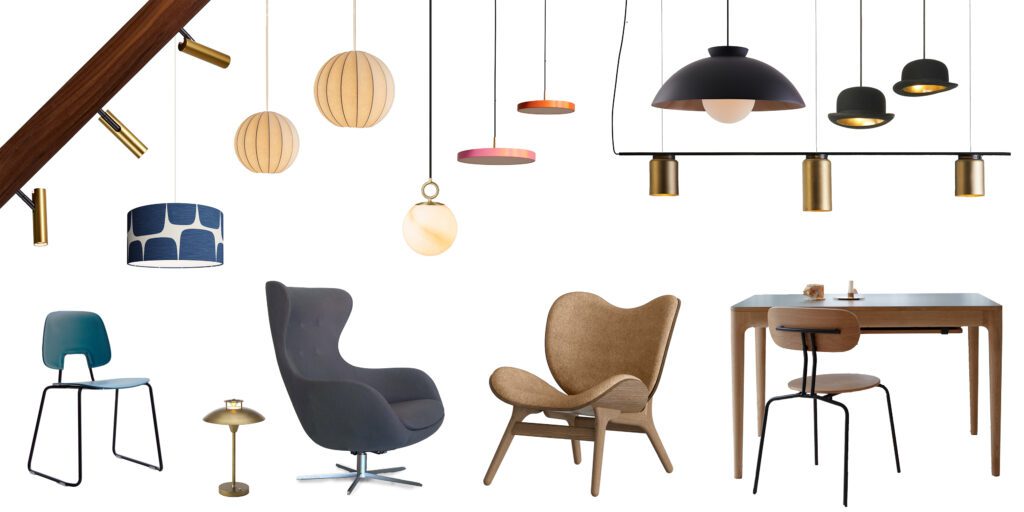
As 2026 approaches, sustainability in interior architecture has matured beyond buzzword status. The conversation is no longer about “being green,” it’s about design integrity. Materials are chosen not only for their low impact but for the tactile poetry they bring to a space. For forward-thinking architects and designers, sustainability now means crafting interiors that age beautifully, perform intelligently, and tread lightly.
At the centre of this shift are the brands redefining how we illuminate and furnish our built environments. As a UK distributor connecting Europe’s most thoughtful manufacturers with design professionals, Notable Group has a front-row seat to this evolution. Here are the five key trends shaping sustainable lighting and furniture finishings in 2026.
1. The Natural Material Renaissance
The story of 2026 begins with a return to the raw. Natural textures, once reserved for rustic aesthetics, are now finding new life in minimalist and contemporary architecture.
Wehlers, the Danish furniture brand, leads this charge with pieces crafted from ocean plastic, recycled aluminium, and FSC-certified timber. Their approach proves that circular materials can look as refined as they are responsible. Similarly, Mavis reinterprets Scandinavian tradition with oak and ash furniture that celebrates grain patterns rather than concealing them.
Expect to see an expanded palette of biogenic materials: mycelium composites, hemp fabrics, and plant-based varnishes. Designers are increasingly choosing renewable tactility, pieces that invite touch and tell stories of regeneration. In 2026, the natural material renaissance is not nostalgia; it’s the future of sustainable luxury.
2. The Glow of Responsibility
Lighting design in 2026 is sculptural, sensory, and circular. The soft glow of responsibly made luminaires sets the tone for interiors that balance ambience with ethics.
Umage continues to champion this philosophy, merging modular construction with organic forms, lampshades crafted from recycled PET felt, and oak veneers sourced from certified forests. Pilke, another Scandinavian icon in Notable Group’s portfolio, turns precision laser-cut birch into luminous geometry, offering pieces that are both lightweight and low-waste.
The innovation extends to metalwork and electronics. Brands such as Halo and Tunnelight are exploring recycled aluminium housings and replaceable LED modules to reduce electronic waste. This shift toward modular repairability ensures fixtures evolve with technology rather than becoming obsolete.
2026 lighting trends embrace the glow of responsibility, a warm light that honours craft, conservation, and comfort in equal measure.
3. Local Craft, Global Vision
As global logistics tighten and transparency becomes an ethical imperative, 2026 sees renewed respect for proximity in production. Designers are seeking local makers whose methods align with global design sensibilities.
British artisans are stepping forward, none more so than Shropshire Shades, who pair handmade craftsmanship with fully recyclable materials. Their bespoke shades bridge heritage techniques with contemporary interiors, proving that luxury doesn’t need to travel thousands of miles to feel refined.
In contrast, Blux, from Spain’s Basque region, embodies European minimalism with architectural precision. The brand’s luminaires are designed for longevity, with repairable structures and finishes that resist obsolescence. Together, they represent a movement: local craft meets international vision, an ethos that will define the most forward-thinking studios of 2026.
4. Tactile Technology
Technology has often been accused of sterilising interiors, but in 2026, it’s learning to feel. Smart materials and adaptive lighting now enhance rather than dominate the human experience.
Imagine wall sconces that adjust warmth in sync with the circadian rhythm, or tables that self-heal minor scratches with biomimetic coatings. PWT exemplifies this cross-disciplinary approach, integrating technical ingenuity with high-touch finishes that invite interaction.
This tactile technology marks a turning point: sensors, coatings, and smart controls are now hidden within materials, allowing interiors to remain soulful and sensory. For architects, this evolution promises both aesthetic continuity and functional intelligence, sustainable in energy use, but rich in emotion.
5. The Circular Economy of Design
The circular economy, long discussed, is now fully designed in. In 2026, the industry moves beyond token recycling into genuine circularity: materials designed to return, products designed to endure.
Wehlers and Umage are exemplary here, offering furniture and lighting designed for disassembly. Components can be replaced, refurbished, or repurposed, an ethos that aligns perfectly with Notable Group’s trade network, ensuring designers can specify sustainable products without compromising performance or beauty.
Circularity also changes how clients perceive value. Instead of fast refresh cycles, projects are now conceived as evolving ecosystems, interiors that can be renewed without waste. This mindset is reshaping procurement, specification, and ultimately, the very definition of timeless design.
Bridging Vision and Value
For design professionals, sustainability in 2026 is no longer a checkbox but a creative language. The most successful projects will combine ethical production, aesthetic restraint, and technological empathy.
Through its curated portfolio, from Umage’s modular elegance and Pilke’s wooden geometry to Wehlers’ circular innovation and Shropshire Shades’ British craftsmanship, Notable Group continues to empower architects and interior designers to specify with both conscience and confidence.
As architecture moves toward net-zero goals, these partnerships demonstrate that the path to sustainability is illuminated not just by efficiency, but by imagination.
Contact Notable today or book a viewing at our London-based showroom.